South Africa has a diverse transport system that helps millions of people move around cities, towns, and provinces every day. From taxis to trains, each mode plays an important role in daily commuting. If we were to compare South Africa Road and transport systems with that of its African sisters none even come close.
In this guide, we’ll look at the main transportation options in South Africa and how they are commonly used.
1. Minibus Taxis (Most Popular)
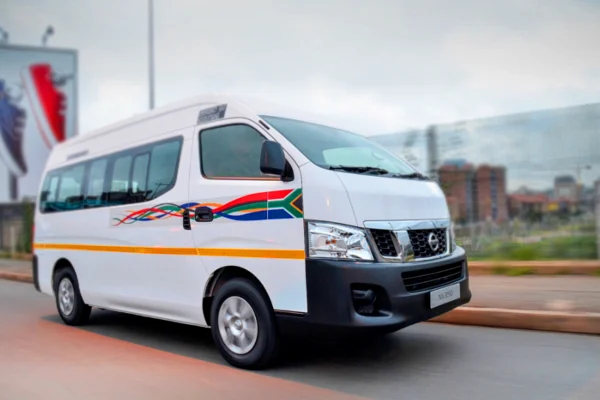
Minibus taxis are the most widely used transport system in South Africa. They are affordable, fast, and available in almost every area, but they’re considered dangerous by some people because of how fast they move.
Key features:
- Operate on fixed but informal routes
- Pick up and drop off passengers along the way
- Very common in townships and cities
- No fixed timetable—depart when full
👉 This is the backbone of daily commuting for millions of South Africans.
2. Buses

Buses are a more structured and formal transport option.
Types of buses:
- City buses (e.g. Metrobus in Pretoria also known as Ariyeng)
- Long-distance buses (intercity travel)
Key features:
- Fixed schedules and routes
- More comfortable than taxis
- Used for both daily and long-distance travel
- Cheaper than taxis
3. Trains
Trains are mainly used for long-distance and commuter travel, especially in major cities.
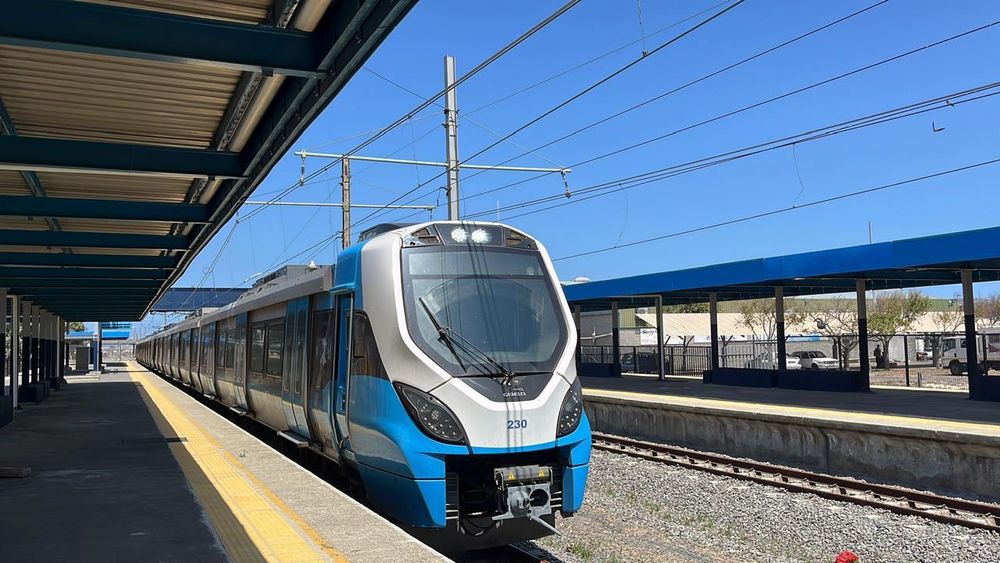
1. Metrorail (Commuter Trains)
The most common train service is Metrorail.
What it does:
- Moves people within cities and suburbs
- Used daily by workers and students
- Connects townships to city centers
Key features:
- Very cheap fares
- Fixed routes and stations
- High passenger volumes during peak hours
Key features:
- Affordable transport option
- Connects suburbs and city centers
- Operated by government rail services
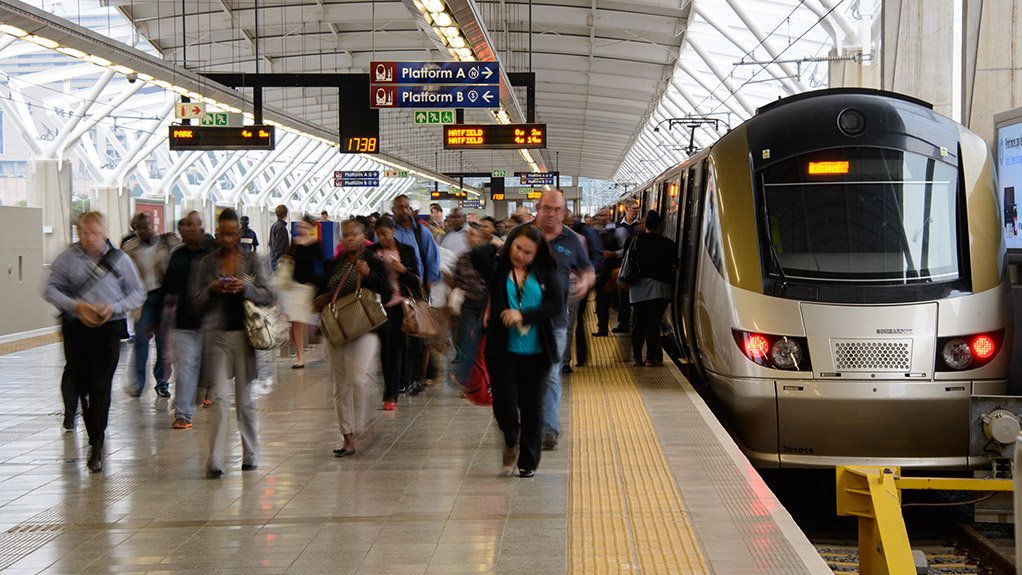
Gautrain (Modern Rapid Train)
One of the most advanced systems is Gautrain.
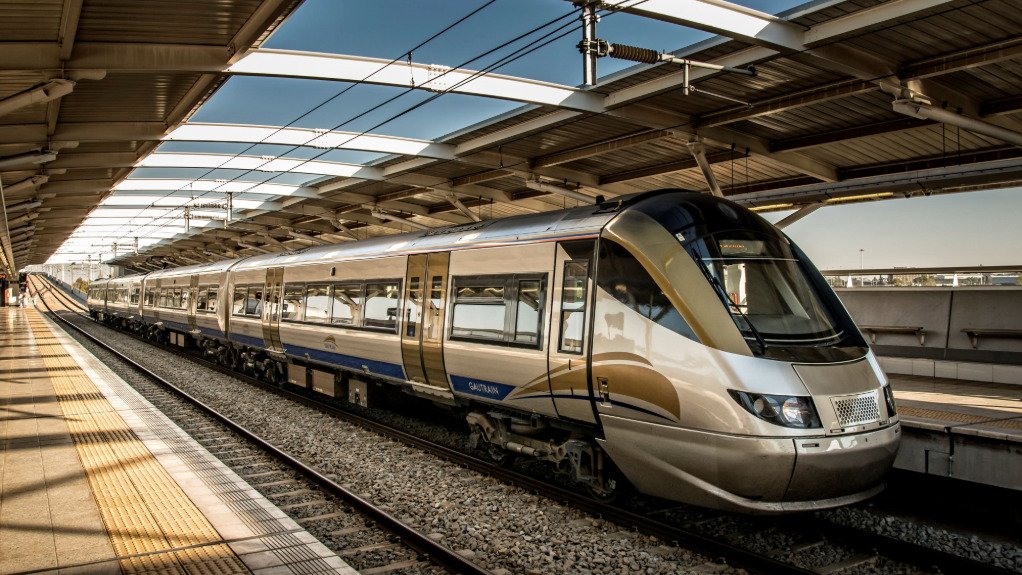
Key features:
- Fast and modern
- Connects Johannesburg, Pretoria, and OR Tambo Airport
- Safe and clean
- More expensive than Metrorail
However, train reliability can vary depending on the region.
4. Private Cars
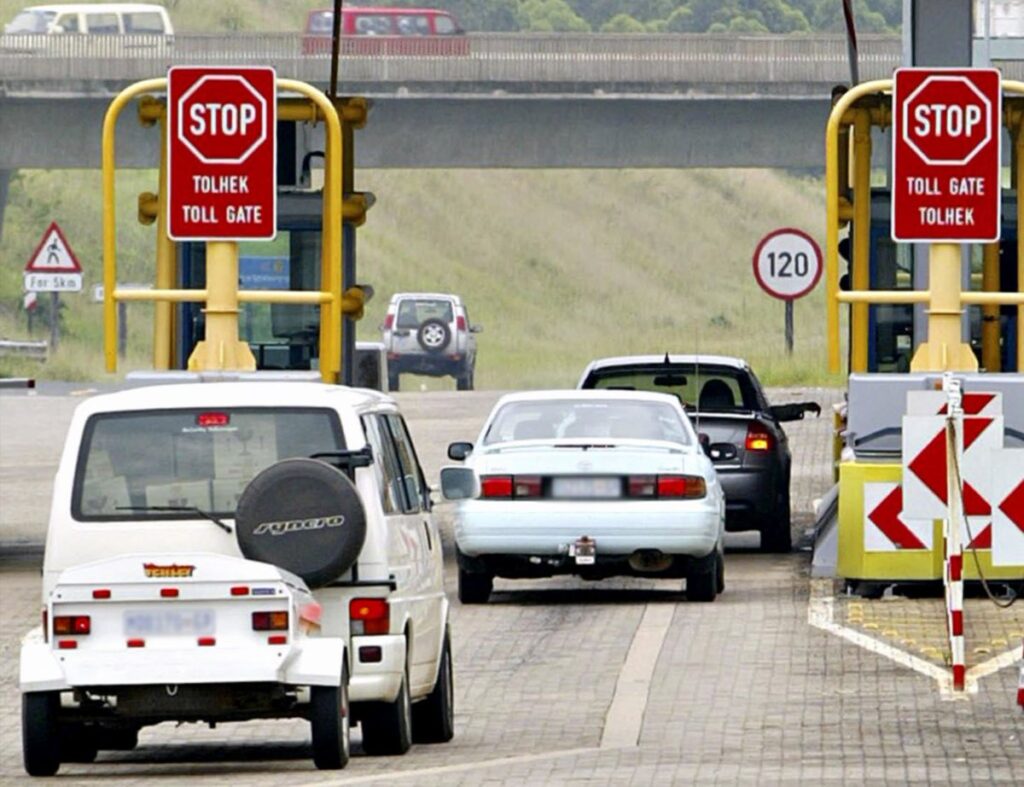
Many people in South Africa use private vehicles for convenience and flexibility.
Key features:
- Full control over travel time
- Faster for long-distance trips
- Higher cost (fuel, maintenance, insurance)
5. Ride-Hailing Services (Uber & Bolt)
Apps like Uber and Bolt are popular in urban areas.
Key features:
- Booked through mobile apps
You can book a ride anytime using your phone—no need to walk to a taxi rank or wait outside.
- Safe and convenient
Services like Uber and Bolt include safety features and tracking, but South Africa also has higher crime levels and transport-related incidents compared to many countries, so caution is still important
- More expensive than taxis
👉 Yes, e-hailing is generally more expensive than traditional taxis in South Africa, but you pay for convenience, comfort, and safety features.
6. Scholar Transport & Shuttle Services
These are often used for:
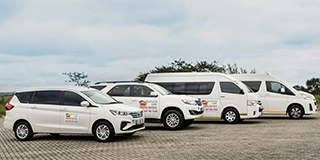
- Students going to school
- Workers in companies
- Airport transfers
Key features:
- Pre-arranged routes
- Fixed schedules
- Safer for group travel
Conclusion
South Africa has a mixed transport system, but if we being honest minibus taxis remain the most important and widely used mode of transport for everyday travel.
As cities grow, more digital and organized transport systems are being introduced, but taxis continue to play a central role in connecting people across the country. The government aims to expand the gautrain project and also introduced new bullet trains, first of its kind in African soil.
